Eco-Friendly Approaches: How E-Waste Recycling Services Are Preserving Our Planet
E-waste represents a considerable hazard to the environment, as discarded electronics often contain toxic materials. These hazardous substances can contaminate soil and water, resulting in widespread environmental harm. Electronic waste recycling programs offer an effective remedy. They serve the dual purpose of reclaiming precious materials and reducing contamination. Gaining insight into how these programs function and affect local communities is critical. The journey towards effective e-waste management raises critical questions about individual responsibility and collective action. What actions should be considered going forward?
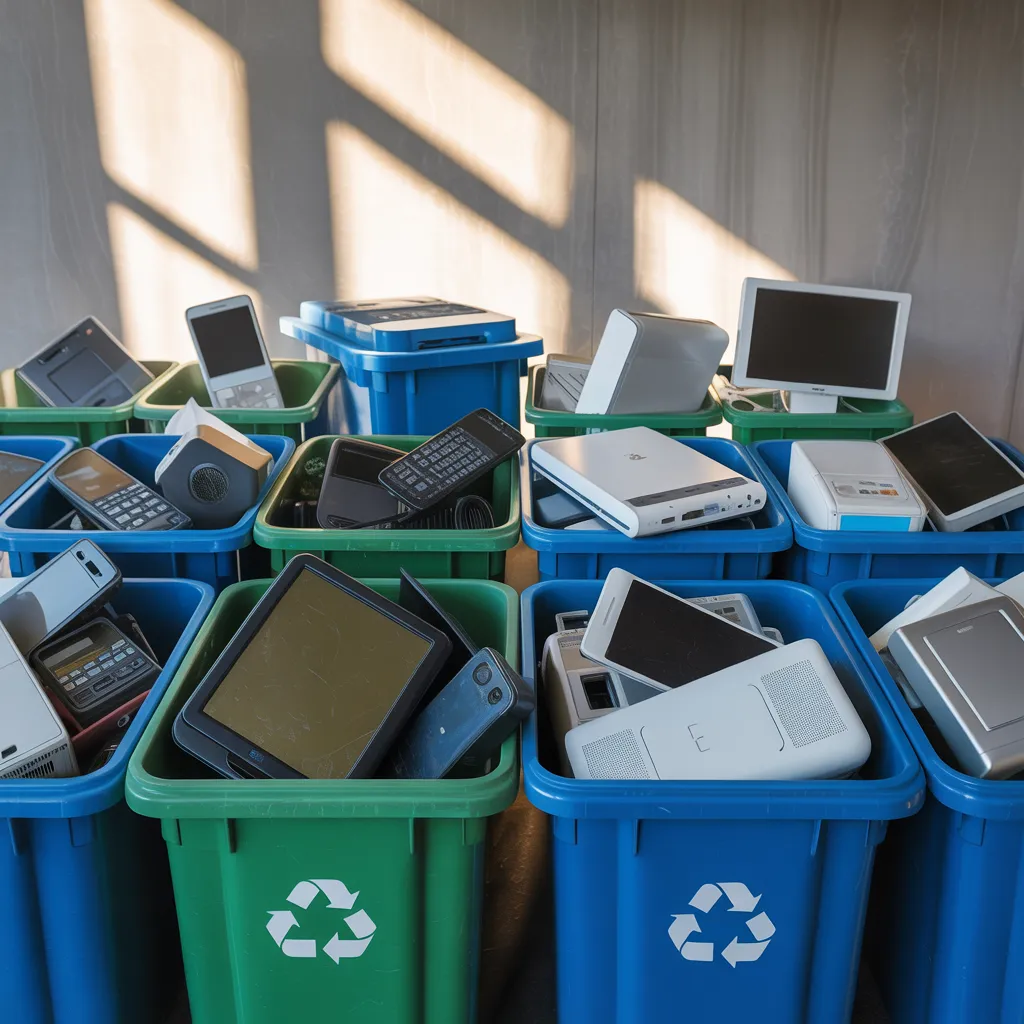
Why E-Waste Poses a Threat to the Planet
Even though technological advancements improve our daily lives, electronic waste presents serious threats to the environment. Disposed electronic equipment, often containing hazardous materials such as mercury, lead, and cadmium, may release harmful substances into groundwater and soil, creating hazards for both wildlife and human well-being. The swift progression of technology leads to higher rates of electronics disposal among consumers, intensifying the growing problem of discarded electronic materials.
Landfills, already overwhelmed with refuse, find it difficult to handle the increasing amounts of discarded devices. Incineration, a common waste management technique, emits dangerous pollutants into the environment, degrading atmospheric conditions. Moreover, poor recycling procedures can cause e-waste to be sent to developing regions, where employees may disassemble electronics without sufficient safety precautions, leaving them vulnerable to harmful substances. This ongoing cycle of carelessness and inadequate management emphasizes the pressing necessity for responsible recycling initiatives that can lessen the harmful consequences of e-waste on our world.
What Is E-Waste and Why Does It Matter?
Electronic waste, commonly known as e-waste, comprises discarded electronic devices such as televisions, computers, and smartphones that have exceeded their operational lifespan. This rapidly expanding waste category is noteworthy because of its swift buildup, fueled by innovation in technology and shifting consumer habits. As more devices become obsolete, the ecological consequences become more pronounced, with harmful substances like lead, mercury, and cadmium presenting serious hazards to the environment and human well-being.
The View details significance of tackling e-waste extends beyond minimizing these risks to recognizing the valuable resources it holds. Critical metals and rare earth components can be reclaimed and recycled, decreasing the reliance on mining and protecting natural resources. With a thorough understanding of e-waste and its impact, people and organizations alike can make educated decisions about disposal and recycling, helping to build a more sustainable world. Responsible management of e-waste plays a key role in supporting a circular economy and championing environmental stewardship.
How E-Waste Recycling Works
E-waste recycling entails a structured approach designed to recover valuable materials while minimizing environmental impact. Initially, discarded electronics are retrieved and sent to dedicated processing centers. Upon arrival, the equipment is meticulously organized to distinguish harmful elements from reusable resources.
Following this, specialists break down the electronics, extracting glass, metals, and plastics. This step is critical, as it makes possible the reclamation of high-value metals like copper, gold, and silver, which are repurposed in modern electronics.
Afterward, the sorted materials are refined with state-of-the-art techniques, such as shredding and chemical treatments, to purify them for reuse.
In the final step, the leftover hazardous waste is handled with responsibility, complying with environmental regulations. This multi-step approach not only preserves valuable resources but also mitigates the risks connected to irresponsible electronic waste disposal, guaranteeing a greener future for electronic device usage.
How E-Waste Recycling Benefits You and Your Community
While many individuals may not realize it, the benefits of e-waste recycling reach well past personal use to meaningfully influence entire communities. By responsibly disposing of electronic waste, individuals contribute to a healthier environment, decreasing toxic components that can leach into soil and water. This responsible method helps preserve local ecosystems and advances public health.
Additionally, e-waste recycling promotes job creation within communities. Community recycling operations commonly require workers for various operations, spanning collection through processing, therefore offering work opportunities to area workers. This not only strengthens the regional economy but also inspires community dedication to sustainable efforts.
Furthermore, familiarity with e-waste recycling may result in community outreach programs, empowering residents to embrace sustainable practices. By participating in e-waste recycling programs, individuals promote a culture of sustainability, motivating others to join the movement. Overall, the shared impact of these actions can create a more strong and environmentally aware community.
How to Pick an E-Waste Recycling Service
Picking the most suitable electronic waste recycling provider is vital for making sure that electronic refuse is processed in a responsible and sustainable manner. First, individuals should confirm the service's accreditations, such as e-Stewards or R2, which signify conformance to industry standards for safe recycling practices. Additionally, it is advisable to examine the organization's reputation by reviewing feedback and seeking referrals from reliable sources.
Furthermore, openness in the recycling process is crucial. A trustworthy provider should supply straightforward details about the way e-waste is handled and what becomes of the materials. Additionally, assessing the variety of services available can be advantageous; various firms may supply retrieval services or extend benefits for recycling.
In addition, learning about local regulations regarding e-waste disposal may further shape the choice of disposal method. When these considerations are given priority, consumers can play a role in effective e-waste management alongside encouraging sustainable environmental efforts.
How You Can Take Part in E-Waste Recycling?
Getting involved with e-waste recycling can start at the local level, where community recycling hubs frequently offer essential services for responsible disposal. Furthermore, participating in community awareness campaigns can enhance efforts to raise awareness about the importance of responsible e-waste management. These initiatives not only encourage sustainable practices but also build a collective sense of accountability for the environment.
Regional Recycling Centers
Several neighborhood recycling stations fulfill a critical purpose in the recycling of e-waste, providing communities with accessible options to discard electronic waste in an eco-friendly way. These facilities handle a selection of electronic equipment, including outdated computers, mobile phones, and TVs, ensuring that harmful materials are handled safely. Most stations have qualified professionals who support individuals in understanding proper disposal practices, emphasizing the importance of recycling over landfilling. Furthermore, many centers offer scheduled drop-off occasions or specific collection dates, allowing residents to take part with ease. By engaging with these local facilities, individuals contribute to a circular economy, reducing environmental impact and promoting sustainable practices. Partnering with these facilities enables communities to combat e-waste pollution successfully.
Public Awareness Initiatives
Local organizations, schools, and businesses can collaborate to host events that promote e-waste collection drives. Dedicated participants can take a leading part in raising awareness, sharing informational resources, and connecting with local residents. By means of these joint initiatives, community members grow more knowledgeable and inspired to dispose of their electronics responsibly, thereby helping to build a greener and more sustainable tomorrow.
Frequently Asked Questions
Which Types of Electronics Are Recyclable?
Various electronics are able to be recycled, including smartphones, computers, laptops, televisions, printers, and gaming consoles. Furthermore, peripherals such as batteries, keyboards, and mice are equally appropriate for recycling, contributing to efforts to conserve the environment.
Are There Fees Involved With E-Waste Recycling?
That's correct, e-waste recycling sometimes comes with costs, based on the service provider. Certain providers charge fees for pickup or handling, while other facilities offer free services, typically funded by the proceeds from salvaged materials.
How Do Businesses Gain From E-Waste Recycling?
Businesses can benefit from e-waste recycling by reducing disposal costs, strengthening their ecological standing, adhering to regulatory requirements, extracting valuable resources, and potentially generating revenue through resale, ultimately contributing to a more sustainable operational strategy.
What Occurs with Data on Recycled Devices?
Details on repurposed electronics is often irretrievably wiped or destroyed during processing. This confirms sensitive information stays protected, stopping improper access while permitting components to be repurposed securely and sustainably within new applications.
Can I Recycle Broken Electronics?
Yes, damaged electronics can be recycled. Several centers accept defective devices, guaranteeing proper disposal and recovery of precious materials. It helps lower the environmental footprint while fostering sustainable recycling habits to address electronic waste properly.